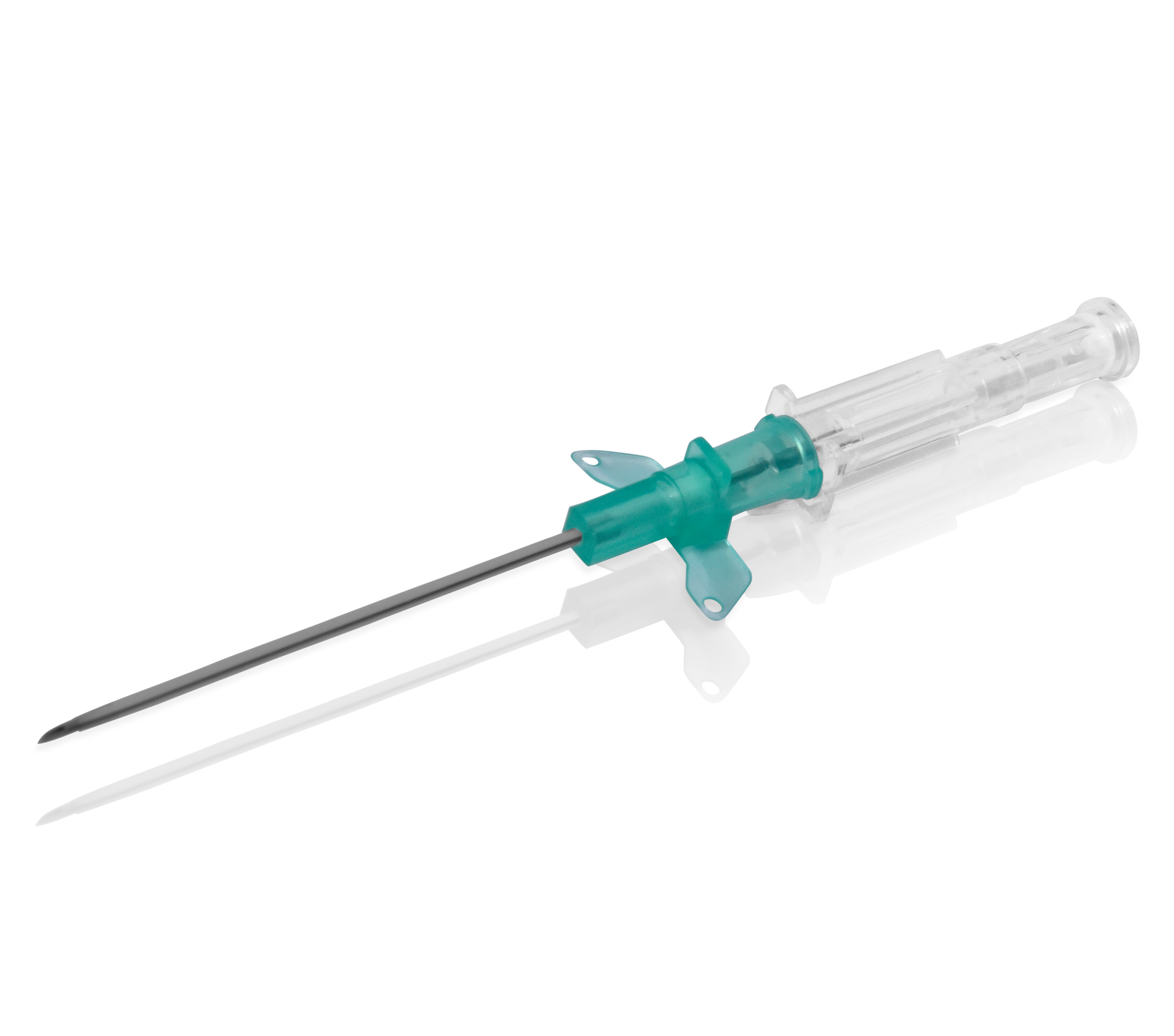
The IV cannula serves as the most frequently used medical equipment for this specific treatment requirement. The IV cannula serves as a critical component for delivering medical care to patients who need fluids in hospitals, medication in emergency rooms, and medication during surgical procedures.
Patients and caregivers can gain a better understanding of medical treatment when they learn about IV cannulas through knowledge of their definition, their operational mechanism, and their application situations. The article provides an overview of IV cannulas through its examination of their definition, their application methods, their various types, their advantages, and their essential medical requirements.
What Is an IV Cannula?
An IV cannula (intravenous cannula) is a small flexible plastic tube that medical personnel use to insert into a patient's vein through their hand, arm, or foot. Medical staff use the device to administer fluids, medications, blood products, and nutrients directly into the patient's bloodstream.
The procedure of inserting an IV cannula is known as intravenous cannulation. The process uses a needle to guide the cannula into the vein. The needle gets removed after the cannula reaches its proper position, which leaves only the soft plastic tube inside the vein.
IV cannulas are widely used in hospitals, clinics, emergency care units, and surgical procedures because they provide medical personnel with immediate access to a patient's bloodstream for treatment and monitoring purposes.
Risk Factors & Requirements
The criteria for needing an IV cannula establish specific conditions that require intravenous medical access. Doctors may recommend or use an IV cannula in situations such as:
Enables delivery of drugs with exact measurements and high-speed efficacy.
Essential for treating severe fluid loss from illness or heat exposure.
Used to deliver anesthesia and maintenance fluids during operations.
Vital for life-saving meds during trauma, shock, or severe infections.
Additionally, Nutritional Support via intravenous therapy enables doctors to deliver nutrients to patients who cannot consume food because of their medical conditions or surgical procedures.
Common Symptoms Leading to IV Cannulation
While the cannula itself doesn't cause symptoms, it is the primary solution for conditions presenting with:
- Severe dehydration and electrolyte imbalance
- High fever or infection requiring intravenous antibiotics
- Persistent vomiting or inability to take oral medication
- Blood loss or anemia requiring immediate transfusion
- Severe pain requiring controlled IV medication
- Low blood pressure or clinical shock
Medical Evaluation & Diagnosis
Healthcare professionals conduct a quick assessment before beginning the procedure to confirm safe placement:
Staff look for visible, stable veins, typically in the hand or forearm.
History and current condition dictate the correct cannula size and type.
Types of IV Cannula
The size of the cannula determines the speed at which fluids and medications move through it. Manufacturers use industry-standard color codes for identification.
Children & Elderly
General Fluids
Blood Transfusion
Emergency/Rapid
Primary Categories
- Peripheral IV Cannula: Inserted into smaller veins in the hand/arm for short-term treatment.
- Central Venous Cannula: Placed in larger veins (neck/chest) for extended treatment and high dosages.
- Butterfly Needle Cannula: Ideal for fragile veins in pediatric or geriatric patients.
Benefits of IV Therapy
Immediate absorption starts medication effects without delay.
Enables strict clinical control over administered amounts.
No need for repeated needle sticks for each new treatment dose.
Pre-established access is critical for rapid patient stabilization.
Conclusion
An IV cannula functions as a vital medical instrument that enables healthcare professionals to administer fluids, medications, blood products, and nutrients through intravenous access.
The device serves as a fundamental component for emergencies, surgical procedures, hospital treatments, and various standard medical operations. Conducted under medical supervision, it remains a secure and effective method for essential medical care.